
Tripletail Fishing in Spanish Fort, AL
Tripletail Fishing in Mobile Bay - What to Expect
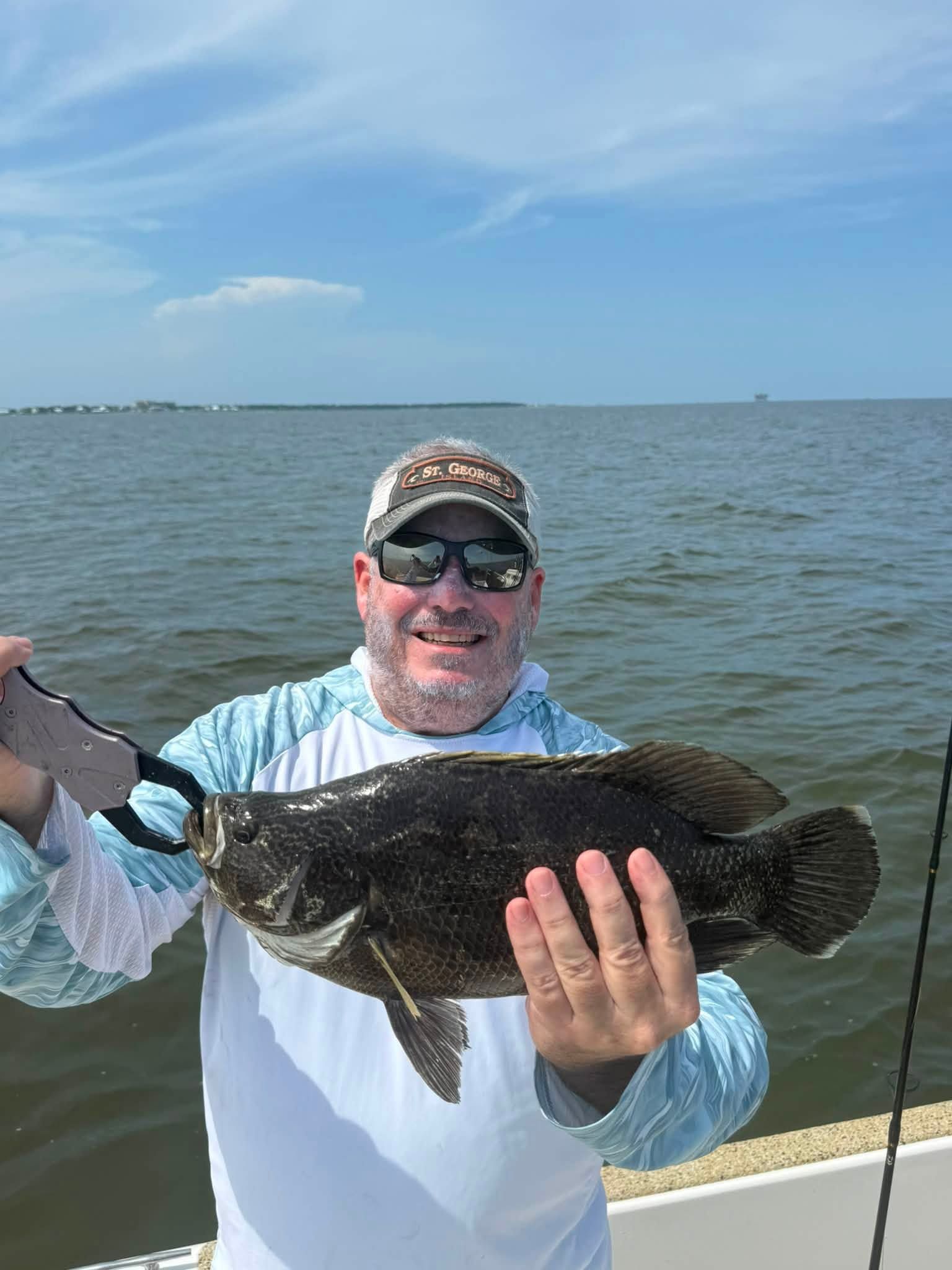
Fishing Charter by Captain Robby Howard in November
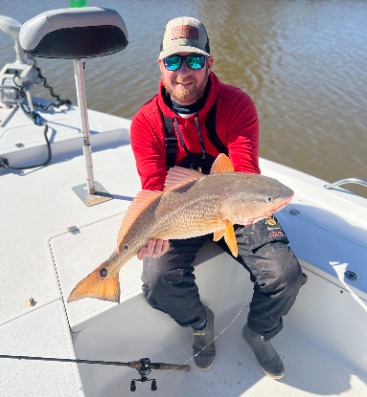
- Top-rated Fishing Charters in Spanish Fort, AL


Summary
Head out on a fishing charter with Captain Robby Howard of Coastal Fins Fishing for an exciting day targeting tripletail around Mobile Bay near Spanish Fort. This Tuesday in October is the perfect time to get on the water and test your skills against one of the bay's most fun fighting fish. Whether you're a seasoned angler or new to the sport, this hands-on experience offers plenty of action and local knowledge to make your day unforgettable.
Fishing Charter with Captain Robby Howard - Rates & Booking
Captain Robby Howard of Coastal Fins Fishing runs fishing charters on Mobile Bay out of Spanish Fort every week. When you book a day on the water with him, you're getting access to someone who knows these waters inside and out. His fishing charter experience means you'll spend less time searching and more time catching. The captain handles navigation, strategy, and all the insider tips about where tripletail are holding and what they're biting on that day.
To book your fishing charter with Captain Robby, reach out to Coastal Fins Fishing directly. Whether you're planning a solo adventure or bringing along friends and family, the captain can work with your schedule and fishing goals. This is a hands-on experience where you'll be doing the fishing while the captain makes sure everything runs smooth. Reserve your spot soon, especially during peak season when Mobile Bay is producing quality fish.
Highlights of Mobile Bay Fishing
Mobile Bay offers some of the most consistent tripletail fishing in the region, especially during fall and early winter months. The shallow waters and grass flats create the perfect habitat for these aggressive fish. When you're out there with Captain Robby, you'll be working shallow water where you can actually see the fish working. That visual component makes every cast more exciting - you know exactly where your target is.
The fishing experience here combines skill with a little bit of luck. Tripletail are known for their hard-fighting style and acrobatic jumps, which makes them incredibly fun for anglers of all levels. You'll get that adrenaline rush when a fish takes your bait, and the captain's boat setup allows you to fish effectively whether conditions are calm or a bit choppy. The beauty of Mobile Bay is that you're not sitting around waiting - there's consistent action throughout the day.
Local Species Insights: Tripletail
Tripletail are one of Mobile Bay's most rewarding fish to target. These guys are aggressive feeders that love shallow water with some structure - whether that's seagrass, shallow flats, or floating debris. What makes them special is their behavior and appearance. They're built compact and muscular, with a distinctive shape that makes them instantly recognizable once you know what you're looking for. Their mouths are tough, and they'll put up a serious fight when hooked.
The habitat around Spanish Fort and Mobile Bay is ideal for tripletail because there's plenty of shallow grass flats where they hunt. They're predatory fish that ambush prey, so they're most active during periods of lower light or when baitfish are moving through. Captain Robby times your charter to take advantage of these feeding windows, which means more hookups during your day. The water temperature and moon phase also play roles in where and when you'll find them.
One thing anglers love about tripletail is that they're consistently available throughout the season. Unlike some species that are seasonal or dependent on weird conditions, tripletail hang around Mobile Bay and bite regularly. They respond well to both live bait and artificial lures, which gives you options during the day. The fighting style is what gets people hooked though - they'll make runs, jump, and give you an honest battle every single time.
Plan Your Fishing Day
When you show up for your charter with Captain Robby, come ready to fish. Wear clothes you don't mind getting wet and bring sunscreen - the water reflects the sun hard and the hours add up quick. The captain will have you covered on the fishing front. All you need to do is bring your enthusiasm and be ready to follow the captain's guidance on technique and positioning.
Your day on the water is active and engaging. You'll be casting regularly, stripping lures or working live bait depending on what's producing that day. The captain handles boat positioning and reads the water while you focus on executing your cast and staying alert. Even between bites, you're learning local patterns and understanding how these fish behave in Mobile Bay. By the end of the day, you'll have gained real knowledge about tripletail fishing and mobile bay fishing techniques that you can take with you.
Fishing in Mobile Bay: Tripletail

Tripletail Overview
The Tripletail (Lobotes surinamensis), belonging to the family Lobotidae and order Perciformes, is a fascinating medium-sized saltwater game fish that's rapidly gaining popularity among anglers across North America. Known scientifically as the Atlantic Triple Tail, this species gets its distinctive name from its three rounded fins—the caudal, anal, and rear dorsal fins—which give it a unique silhouette in the water. With an olive-colored body adorned with dark or white blotches and a remarkable ability to change colors for camouflage, the Tripletail is one of the ocean's most intriguing and underrated game fish. What makes this species particularly special is its combination of acrobatic fighting ability, excellent eating quality, and the challenge it presents to sight-casting anglers. Whether you're fishing in Florida, Massachusetts, or Texas, encountering a Tripletail is an experience that keeps anglers coming back for more.
Tripletail Habitat and Distribution
Tripletails thrive in tropical and subtropical waters around the world, preferring water temperatures above 69.8°F. In the western Atlantic, their range stretches impressively from Massachusetts all the way down to Argentina, making them accessible to anglers across a wide geographic area. These solitary yet sometimes schooling fish inhabit depths ranging from near-surface waters up to 210 feet, though they're most commonly found near the surface where sight-casting anglers can spot them. The species makes small north and south migrations from April to October, following seasonal temperature changes and food availability. You'll find juveniles—typically around 1 foot long—patrolling shorelines and gulfs, while adults prefer offshore waters and bays. Though primarily a saltwater species, Tripletails occasionally venture into estuaries and river mouths, adapting to brackish conditions. Prime fishing destinations for this species include the coastal waters of Massachusetts, Florida, Mississippi, and Texas, each offering unique opportunities throughout the year.
Tripletail Size and Weight
On average, Tripletails measure around 18 inches in length and weigh between 2 to 13 pounds, making them manageable yet respectable catches for most anglers. However, these fish can grow substantially larger under optimal conditions, reaching up to 3 feet in length and weighing as much as 40.8 pounds for truly exceptional specimens. The maximum sizes you're likely to encounter in most fishing scenarios range from 18 to 36 inches, with weights typically between 2 and 20 pounds. What's particularly impressive about this species is their rapid growth during their first year—a remarkable adaptation believed to help them quickly outgrow predators and establish themselves in their marine environment. This accelerated juvenile growth means that even younger fish can provide excellent sport and challenging catches, making Tripletails accessible to anglers of varying skill levels.
Tripletail Diet and Behavior
As opportunistic carnivores, Tripletails are aggressive feeders that actively hunt shrimp, crabs, and baitfish throughout their active periods. Their feeding behavior is characterized by ambush hunting, where they position themselves near floating vegetation, weed lines, and structure to intercept passing prey. One of their most fascinating defensive and hunting behaviors is lying on their sides to mimic floating weeds or debris—a clever camouflage technique that helps them both escape predators and surprise unsuspecting prey. These fish are predominantly solitary creatures, though they occasionally gather in small schools, particularly during spawning season or when abundant food sources are present. Tripletails swim primarily near the surface, making them excellent targets for sight-casting anglers who can spot their distinctive silhouettes. Their color-changing ability—shifting from mottled black, brown, and white combinations to solid colors—demonstrates their remarkable adaptability to different environments and light conditions.
Tripletail Spawning and Seasonal Activity
The Tripletail spawning season occurs during the summer months, with peak activity running from July through August. During this period, these fish migrate to inshore and nearshore waters to reproduce, though some populations have been observed spawning offshore as well. The species is active year-round in their preferred tropical and subtropical range, meaning you can pursue them throughout the entire calendar year. Their spring and fall migrations, occurring from April to October, represent ideal windows for targeting these fish as they move between shallow and deeper waters following temperature changes. The consistency of their presence makes Tripletails an excellent target species for planning fishing trips at any time of year, though the summer spawning season offers particularly exciting opportunities when fish congregate in accessible inshore waters.
Tripletail Techniques for Observation and Capture
Sight Casting Method: The most effective technique for catching Tripletails is sight casting, which takes advantage of their surface-feeding behavior and makes them visible to experienced anglers. Position yourself in clear, shallow water and scan weed lines, floating debris, and structure where these fish naturally congregate. Once you spot a fish, the key is stealth—cast away from the target and slowly drag your bait or fly toward the fish, allowing it to ambush your offering. Use a 7 to 9-foot, 8-weight fly rod with 20-pound test line and floating lines since Tripletails rarely dive deep. Hook sizes should range from #2 to 1/0, and effective baits include crabs, shrimp, sardines, and minnows.
Lure and Fly Fishing Approach: Tripletails respond well to squid, shrimp, and crab flies, making them excellent candidates for fly-fishing enthusiasm. These fish are increasingly popular in the fly-fishing community due to their acrobatic nature and willingness to take well-presented flies. Strip your flies in short, enticing movements that mimic natural prey behavior. The key to success is patience and precision casting—rushing your presentation or making loud disturbances will spook these cautious hunters quickly.
Around Florida: The coastal bays and offshore waters near Tampa Bay, the Florida Keys, and the Gulf Coast are prime Tripletail destinations where you can spot them year-round, with particularly strong fishing from July through September when spawning activity brings fish into accessible inshore waters. Local guides recommend checking GPS coordinates around weed lines and structure during early morning hours when visibility is clearest.
Tripletail Culinary and Utilization Notes
The Tripletail has earned a stellar reputation for its excellent eating quality, with many experienced anglers claiming the firm, white meat tastes remarkably similar to Red Snapper or Grouper. The flavor profile is mild yet distinctive, making it a favorite among those who appreciate quality fish cuisine. The meat's firm texture holds up well to various cooking methods—grilling, baking, and pan-searing all bring out the species' natural qualities. Beyond the culinary appeal, Tripletails represent a sustainable fishing choice in most regions where they're abundant, and their rapid growth rate suggests they can support recreational fishing pressure well. When handling these fish for consumption, exercise caution around their razor-sharp gills, which can cause nasty cuts if not respected. Many coastal restaurants and fishing lodges feature Tripletail on their menus, particularly in Massachusetts, Florida, Mississippi, and Texas, where the species holds cultural and gastronomic significance.
Tripletail Frequently Asked Questions
Q: What is the best bait for catching Tripletail?
A: Live or fresh crabs, shrimp, sardines, and minnows work exceptionally well for Tripletail. For fly fishing, use squid, shrimp, or crab patterns in sizes #2 to 1/0. The key is presenting your bait or fly naturally and allowing the fish to ambush it rather than forcing an aggressive strike.
Q: Where can I find Tripletail near Florida?
A: Florida's Gulf Coast, particularly around Tampa Bay, the Florida Keys, and coastal bays throughout the state, offers excellent year-round opportunities. Focus on weed lines, floating debris, and structure in inshore waters, especially during summer months when spawning brings fish into accessible areas.
Q: Is Tripletail good to eat?
A: Absolutely—Tripletail is considered excellent eating with firm, white meat that many anglers compare to Red Snapper or Grouper. The meat's quality and versatility in the kitchen make it a prized catch among those interested in culinary experiences alongside their fishing adventures.
Q: When is the best time to catch Tripletail?
A: While Tripletails are available year-round in tropical and subtropical waters, the summer spawning season (July through August) offers peak opportunities when fish congregate in inshore waters. However, the species is catchable throughout the year with consistent techniques and locations.
Q: What rod and reel setup should I use for Tripletail?
A: A 7 to 9-foot, 8-weight fly rod with 20-pound test line and floating lines is ideal for sight-casting situations. For conventional tackle, medium-light spinning or baitcasting setups with 15 to 20-pound test also work well for this species.
Q: How can I identify a Tripletail in the water?
A: Look for the distinctive three rounded fins—the caudal fin and both the rear dorsal and anal fins create a unique silhouette. The olive-colored body with dark or white blotches and the fish's tendency to float near the surface make identification relatively straightforward for trained observers. Juvenile fish display mottled black, brown, and white coloration.